
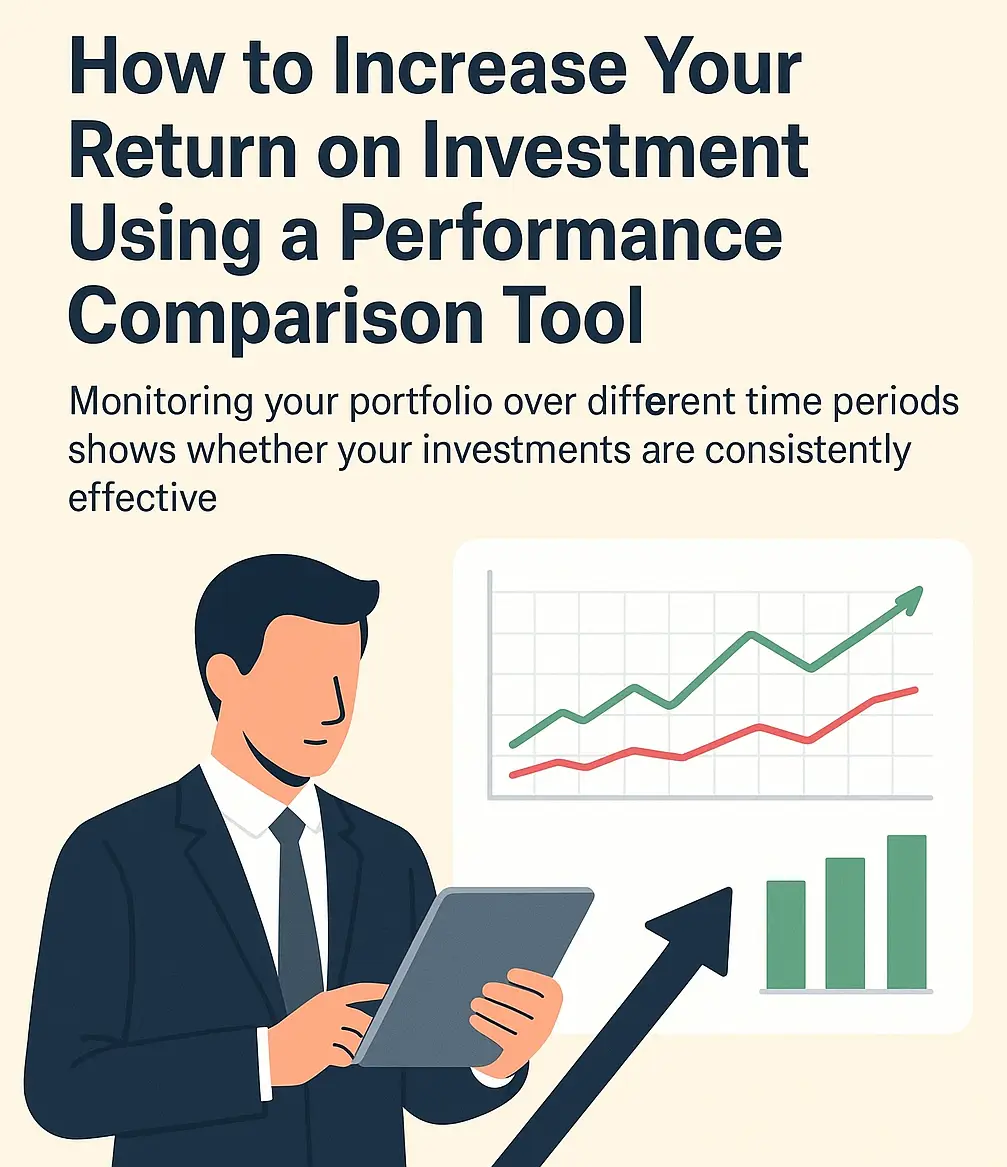
The main goal of investing is to get the best returns on your money. It’s not just about making investments and waiting; you need to understand your portfolio and track its performance. A performance comparison tool helps investors see how well their portfolio is doing and how they can increase profits.
Many people feel satisfied with their portfolio performance. For example, if your portfolio shows a 50% return, you might think that’s good. However, when you compare it to benchmarks or indices, you may find those have returned much more, sometimes nearly double. This comparison helps investors understand that while their returns seem decent, they might not be as high as they could be. Using a performance comparison tool makes these differences clear.
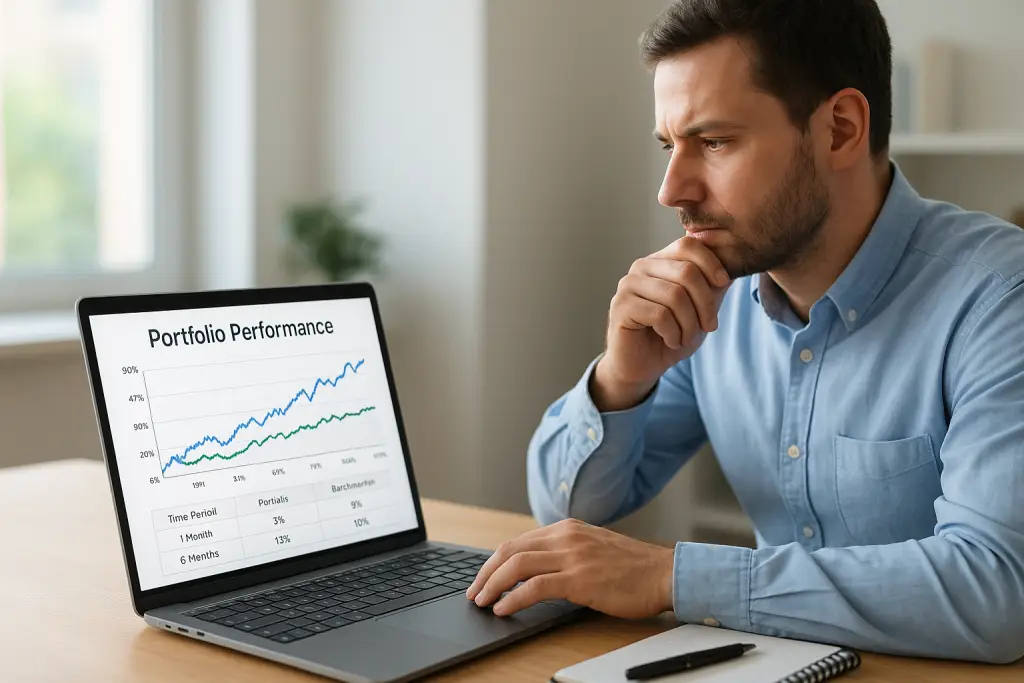
This tool gives unbiased data. It doesn’t take into account how much money you have invested or your financial situation. It simply shows how your investments are performing. It helps you see if your portfolio is on the right track or if you need to make changes. Without this information, investors might believe they are doing well, while they could actually be falling short compared to the market or others.
The tool allows you to compare performance over different time frames. Investors can check how their portfolio did over a month, six months, or a year. This shows whether the portfolio has consistently done better or worse than the market. By looking at these numbers, investors can gauge how well their investments are working and make smart choices about whether to continue, adjust, or rebalance their portfolios.
For instance, consider a portfolio created during a specific event or competition. Over time, it might show a 53% return. While this looks good, comparing it to the stock market index might show that the index returned 100%. Such comparisons reveal missed chances for higher returns. This helps investors understand that celebrating individual profits isn’t enough; benchmarking is key for grasping true performance.
Additionally, the tool allows you to compare with investable options like mutual funds. Even if you can’t invest directly in an index, you can see how your portfolio stacks up against mutual funds available to you. This helps you decide whether to stick with your current strategy or explore other investment options. For example, a portfolio might give a 39% return while two mutual funds return 30% and 28%. This indicates your portfolio is doing better than those funds. In another case, a portfolio may show 50% returns while benchmarks and funds return around 100%, highlighting that there is room for improvement.
Performance tracking tools also let investors manage their portfolios without hiring experts. By using real data, you can evaluate your performance and decide when to buy or sell assets. This approach allows for proactive management, reduces dependence on advisors, and helps improve returns while minimizing stress.
The tool also offers visualization features. Investors can see how market values change, look at historical trends, and compare different asset classes. By keeping an eye on these details, it becomes easier to spot which assets are doing well and which ones need adjustments. This leads to better portfolio management and ensures improved results over time.
Additionally, performance comparison tools help with rebalancing strategies. If some assets are underperforming while others increase in value, selling or buying assets at the right moment can enhance returns. Ongoing monitoring and rebalancing boost overall portfolio performance and avoid losses due to inaction or delayed choices.
Pricing for these tools varies based on features and the size of the capital. Basic options are available for smaller portfolios, while more advanced tools cater to larger investments. No matter the size, the tools provide all the necessary information to effectively track and improve portfolio performance.
In summary, a performance comparison tool is crucial for maximizing investment returns. By comparing portfolios against indices, alongside mutual funds, tracking historical performance, visualizing assets, and allowing for rebalancing, investors can make informed and proactive decisions. These tools help investments grow efficiently, enabling investors to reach their maximum potential returns. By relying on unbiased data and continuous tracking, investors can take charge of their portfolios and enhance their financial results.